
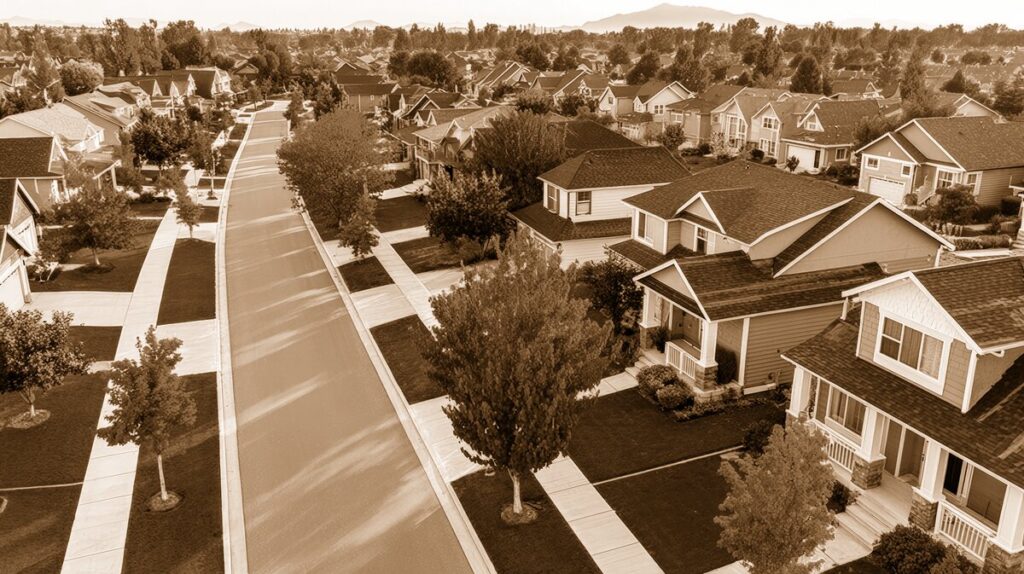
Nestled along the western edge of Lakewood, CO, Applewood is a neighborhood where streets brim with both nostalgic heritage and forward-looking pride. Ask anyone who’s called this treelined enclave home, and they’ll be quick to share stories not just of neighbors, but of the land itself—a patchwork of orchards, homesteads, and mile markers of Colorado’s growth. From its earliest days as a pioneer settlement to its current reputation as a coveted suburban retreat, Applewood’s history is a testament to community resilience and the enduring beauty of its natural surroundings.
Humble Beginnings: Orchards, Farmland, and Community Spirit
Before the houses and bustling sidewalks, Applewood was just what the name suggests: an expanse spotted with apple orchards and fertile farmland. The area started attracting settlers in the late 1800s, drawn by the lure of arable land and the promise of prosperity down what was then Wheat Ridge’s western frontier. With the nearby Clear Creek supplying ample water, enterprising farmers saw Applewood as perfect for growing not only apples but cherries, peaches, and a variety of produce destined for Denver’s markets.
The neighborhood’s official name, “Applewood,” is a homage to these fragrant beginnings. Oral histories recall the rolling groves that carpeted the land west of present-day Kipling Street, particularly along what’s now Parfet Estates and the Applewood Knolls subdivision. While most of the orchards have since given way to houses and schools, you’ll still spot old apple trees dotting yards along Quail Street and into the leafy lanes south of 32nd Avenue—a living reminder of what gave Applewood its name.
Key Historical Milestones: From Rural Outpost to Modern Suburb
Applewood’s development closely mirrored Lakewood’s—and indeed, Jefferson County’s—push toward suburbia during the mid-20th century. The area stayed relatively rural until after World War II, when Colorado’s booming economy and Denver’s westward expansion fueled a need for new housing.
- 1940s-1950s: Large tracts of farmland were subdivided for post-war housing. Families flocked to Applewood for its large lots, rolling landscapes, and easy commute to Downtown Denver via the brand-new I-70 corridor. You can still trace these first developments along 26th Avenue and the winding Applewood Drive, where Eisenhower-era ranch homes line the gently curving streets.
- 1960s-1970s: Growth continued with the establishment of neighborhood schools and shopping centers. Applewood Baptist Church (currently near 32nd and Zinnia) became a local landmark, serving as both a spiritual anchor and a venue for community events. The construction of Applewood Golf Course in 1961 further solidified the area as a family-friendly enclave.
- 1980s-Present: While surrounding Lakewood and Wheat Ridge grew denser, Applewood retained its spacious, community-oriented feel. Today, the neighborhood is celebrated for its well-kept mid-century homes, mature trees, and cherished local institutions.
Notable Landmarks and Local Institutions
Applewood’s landscape is dotted with places that speak to its history and community spirit. Some of these local highlights include:
- Applewood Golf Course (14001 W 32nd Ave): This public golf course isn’t just a place to swing a club—it’s a social hub and a green oasis with sweeping mountain views. Originally developed in 1961, it offers a glimpse into suburban recreation culture that defined Applewood’s evolution.
- Applewood Swim and Tennis Club: Tucked near West 27th Avenue, this members-only club showcases the community’s emphasis on family and outdoor fun. Generations of residents have learned to swim or rallied on the courts here.
- Applewood Valley United Methodist Church (2035 Ellis St): Established as Applewood’s population grew, this church has served as a community gathering spot for decades.
You’ll also find smaller gems like the historic White Fence Farm on West 32nd Avenue, known for its country-style family dining and lush setting before closing in recent years. And don’t miss the subtle reminders hidden in plain sight—rustic fencing or preserved barnwood recalling Applewood’s agricultural origins.
Parks and Outdoor Heritage
One of Applewood’s biggest draws continues to be its abundance of parks and open spaces. Crown Hill Park, along the neighborhood’s southern rim, is both a wildlife sanctuary and a beloved walking and biking destination for locals. The multiuse trail system, picnic areas, and tranquil lake all offer a slice of rural beauty mere minutes from urban amenities.
Applewood Park itself, stretching along West 32nd Avenue, is a community favorite. Here, families gather for summer picnics, and children’s laughter echoes from the playgrounds. Nearby, the gentle rise of Wheat Ridge’s foothills provides a picturesque backdrop and easy access to the outdoor adventures that make Colorado living special.
Applewood Today: A Blend of Old and New
Where old apple trees once blossomed, you’ll now find a blend of architectural styles: classic ranchers, split-levels from the ‘60s, remodeled contemporaries—a visual diary of Applewood’s decades of development. Despite regional growth, Applewood has held firm to its small-town ethos. Block parties, food truck nights at local parks, and longtime community organizations like the Applewood Business Association help knit neighbors together.
Today, the local Applewood Shopping Center on Youngfield Street—with its mix of independent shops and convenient amenities—serves the neighborhood much as the early orchards once did: as a hub of daily life and connection.
What Makes Applewood Special?
Ask around, and longtime residents will tell you Applewood’s secret isn’t just in its name or its leafy streets. It’s in the way newcomers are welcomed, the pride taken in well-tended yards, and the stories passed down about “the way things used to be.” It’s in the familiar faces you’ll spot at every Applewood event, and in the steadfast preservation of open spaces that keep the area feeling green and gracious.
Applewood, with roots running deep into Colorado’s agricultural past, stands today as a living tribute to what’s possible when a neighborhood cherishes both its history and its hope for the future.